Strengthening Women’s Ability for Productive New Opportunities (SWAPNO) is a gender based social security project targeting ultra-poor rural women who are widowed, divorced, abandoned, or left with a disabled husband. The project aims to uplift these women out of extreme poverty through productive and sustainable livelihoods. Under the auspices of National Social Security Strategy (NSSS) of Bangladesh government, SWAPNO is implemented jointly by Local Government Division and UNDP since 2015. SWAPNO’s intervention follows a ‘state of the art’ graduation model that encompasses livelihood promotion, financial inclusion, social protection, and social empowerment. The women are employed for a specific tenure under public works. Simultaneously, training is provided to improve self-confidence, leadership, financial literacy, basic numeracy, savings, and spending. This process is followed by livelihood training based on their interests and local market opportunities to begin micro-enterprises or find formal employment. After completing their employment tenure, they can access funds to invest in their enterprises.

Interventions

Climate Adaptive Public Works

Swapno's Public Asset Maintenance Programme Has Successfully Maintained 14,000+ Critical Public Assets Which Have Benefitted The Local Communities Of 223 Unions Of 5 Districts.

Pooled Savings

Swapno’s Group Savings Mechanism Rosca Has Facilitated Beneficiaries Form 600+ Roscas Through Which They Have Generated Around Usd 1.8 Million.

Life Skills Training

Swapno Has Provided Life Skills Training To 12000+ Ultra-poor Rural Women To Enhance Their Confidence, Courage, And Communication Skills.

Livelihood Skills Development

Swapno’s ‘future Employability’ Notion Has Facilitated 12,000+ Beneficiaries To Become Skilled In Both Formal And Informal Livelihood Opportunities

Impacts and Results

Services Delivered

14567

Community Assets Maintained

Visits Saved

588

Beneficiaries secured jobs in RMG and Leather sectors

Work Days Saved

669

ROSCAs Formed

Saved by Citizen

205844

Support packages distributed during COVID-19

Services Delivered

Best CSR Award

For Financial Inclusion model

Visits Saved

1620

Beneficiaries under Micro-health insurance coverage

Work Days Saved

BDT 108 crore

Disbursed as wage payment

Saved by Citizen

96%

Correct beneficiary targeting

Reports, News & Stories

Redefining Roles as Women Challenge Gender Norms in the Footwear Industry

At 35, in Laksham, Cumilla, in southeastern Bangladesh, Shilpi begins her day at a local footwear workshop, not as a customer, but as an apprentice learning the craft of shoe repairing and manufacturing. For generations, this trade has been dominated by men, but Shilpi is proving that skill and resilience know no gender.Shilpi’s path to this workshop was shaped by hardship. Married at a young age and later widowed, she was left to raise two children with a very limited income. To survive, she began repairing shoes door to door. While the work provided a minimum earning of BDT 200 (USD 1.64) a day and exposed her to ridicule for stepping into “a man’s job.” The stigma was crushing, but Shilpi refused to give up.

Brewing Hope for Garo Girls

20-year-old Silvia Dio is quietly rewriting what’s possible, one cup of coffee at a time. Her small coffee stall is not just a shop; it is an innovation in these hills, where such ventures are rare and almost unheard of among the Garo. One of only two shops in the entire union, Silvia’s café has quickly become a landmark and a hub of community life. Every evening, as the sun sets behind the hills, neighbours gather at her stall to share laughter, stories, and steaming cups of coffee, transforming what was once a quiet corner into a vibrant meeting place.

A Journey from Surviving to Thriving

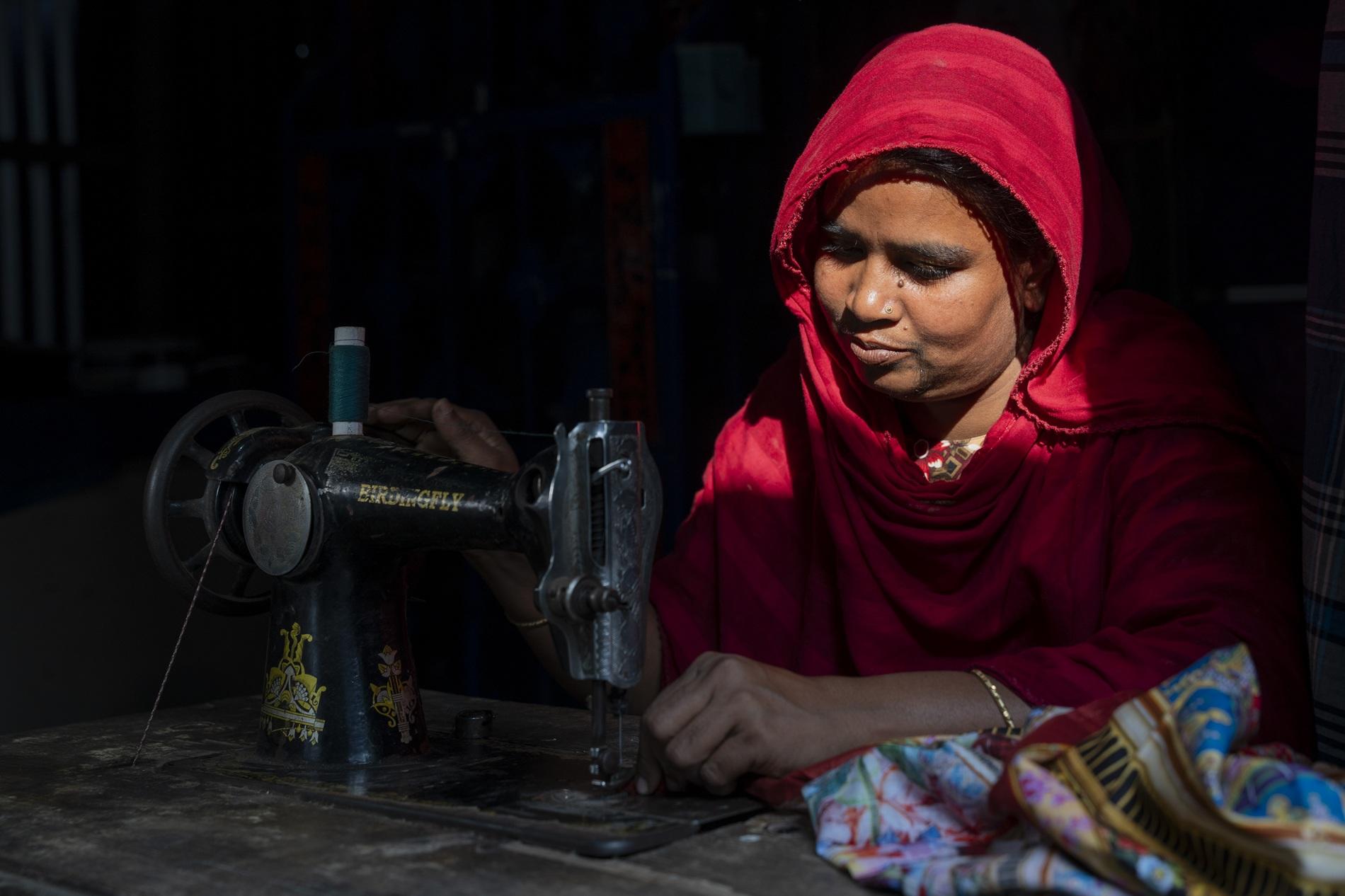
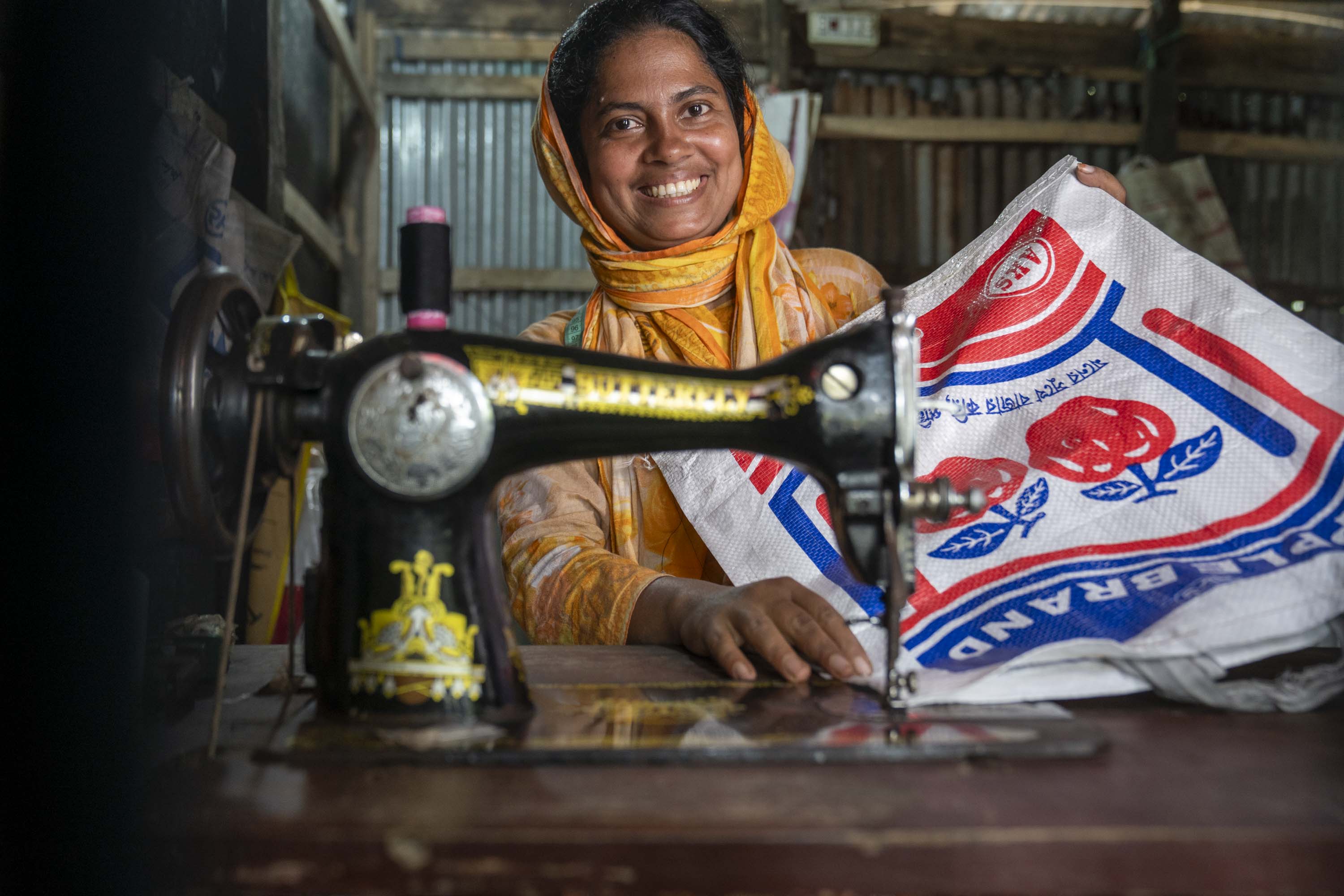
Despite the trauma and isolation, Ayesha didn’t give up. She found a lifeline through SWAPNO, a social empowerment initiative implemented by UNDP and supported by the Government of Bangladesh, the Embassy of Sweden, and Marico Bangladesh. SWAPNO works to economically empower ultra-poor women through public works employment, life skills, and financial literacy training. Starting in public maintenance work, she received life skills and financial literacy training. Within a year, she saved from her modest salary and launched a small clothing business, stitching together not just garments, but a new future.

Geographical Coverage

Interactive Map

Donors and Partners

SWAPNO's Contribution on SDG Goals