

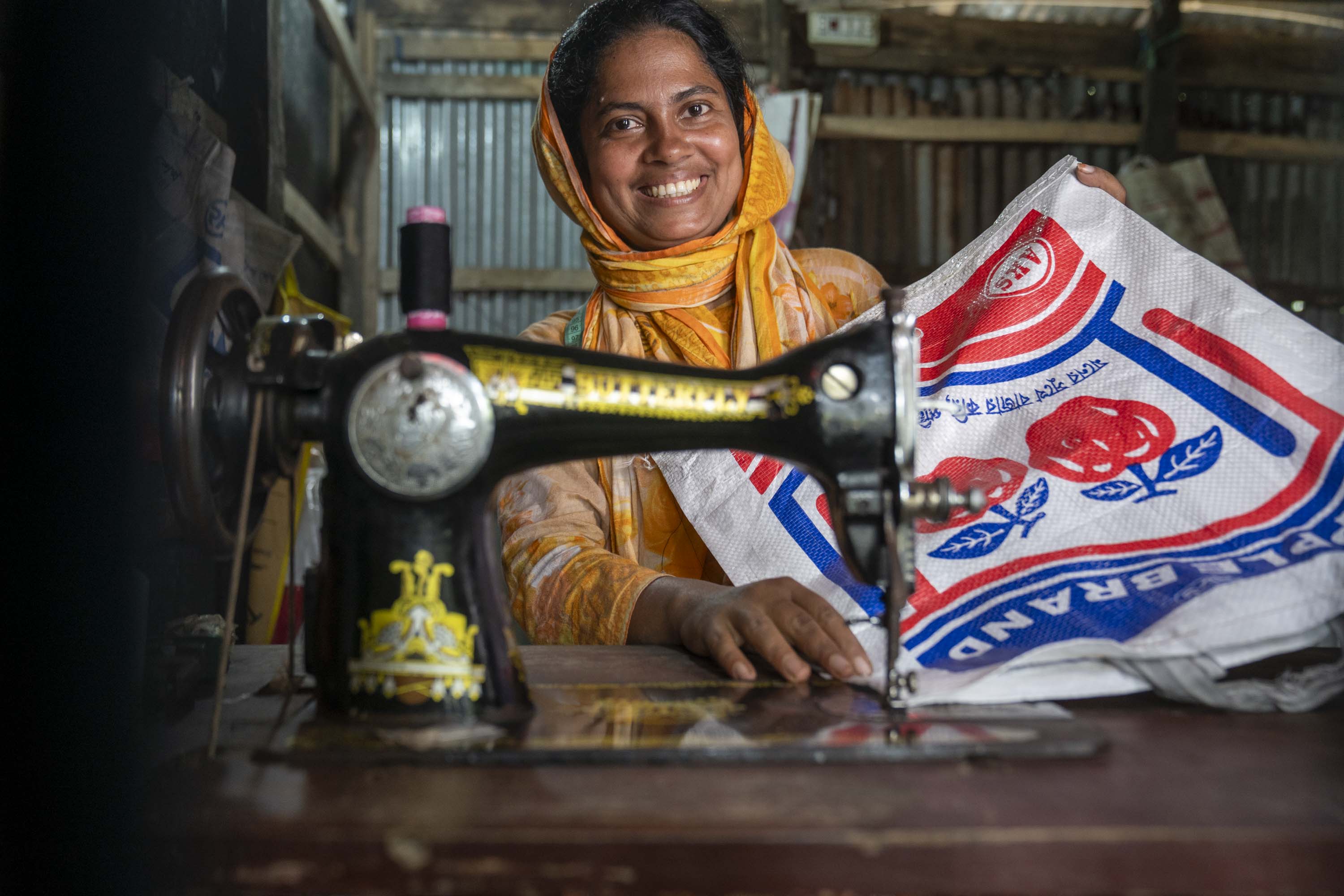
Across Bangladesh, young people are more than the leaders of tomorrow; they are catalysts for change today. With nearly 46 million youth aged 15–29, the country stands at a pivotal moment. The demographic dividend window remains open until 2040, offering a rare chance to accelerate economic growth and social inclusion. Yet, challenges like unemployment, gender inequality, and limited access to markets still hold back many rural young women.
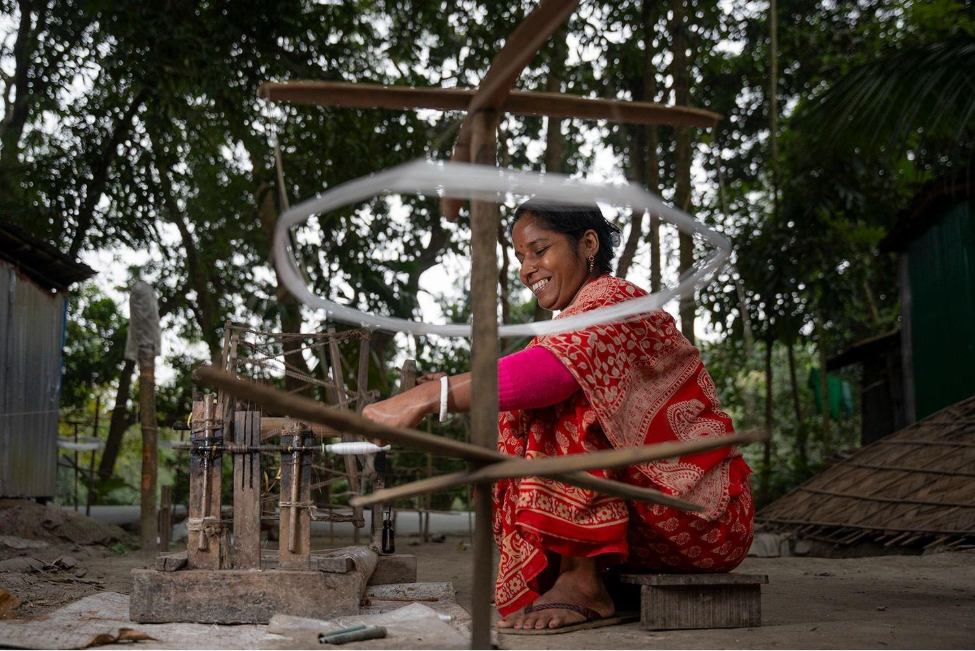
This is where SWAPNO (Strengthening Women’s Ability for Productive New Opportunities) comes in. With support from UNDP, SWAPNO empowers ultra-poor rural women with skills, opportunities, and platforms to thrive. In this phase, the programme engaged 3,331 young women (aged 18-35) across 12 districts, nearly one-third of all project beneficiaries. Before starting their livelihood pathways, every participant completed life skills training across seven modules: leadership, gender and development, rights and entitlements, climate adaptation and disaster risk reduction, basic accounting, health and nutrition, and foundational business skills. This training built confidence, decision-making ability, resilience, and readiness to succeed across income-generating activities, apprenticeships, formal employment, and entrepreneurship.
How SWAPNO Supports Youth
1. Strengthening Income-Generating Activities
1,515 young women (about 23% of total IGA beneficiaries), after receiving life skills trainings have started their own small businesses. They are earning through livestock rearing, poultry farming, vegetable cultivation, fish culture, and small businesses. The life skills training equips them to manage resources effectively, make informed financial decisions, and adapt to challenges — helping them turn small activities into sustainable livelihoods.
2. Apprenticeship Training in Traditional and Non-Traditional Trades
530 young women (about 44% of total apprentice beneficiaries) are currently enrolled in structured apprenticeships in tailoring, cooking, beauty services, shoe repair, and manufacturing. Using a mentor–mentee approach, the two-month courses provide hands-on technical skills, market insight, and the confidence to enter trades traditionally dominated by men.
3. Skills for Formal Sector Employment
Through partnerships with ready-made garment factories and EPZ-based industries, 1,158 young women (100% of FSE beneficiaries) completed industrial sewing machine training. Of these, 354 secured formal sector jobs, gaining stable income and workplace protections. Eighty-four participants earned NTVQF Level 2 certification, enhancing their employability and opening doors to long-term careers.
4. Entrepreneurship and Digital Business Skills
128 young women (40% of total entrepreneur beneficiaries) launched or expanded micro-enterprises with support from SWAPNO’s Entrepreneurship Initiative. Through EDBM training, business planning guidance, and start-up capital, these emerging entrepreneurs strengthened financial literacy, risk management, and digital business skills, including e-commerce, online sales management, and digital recordkeeping. By connecting to local markets and online platforms, these young women are expanding their reach and demonstrating how technology can amplify rural enterprise.
Why This Matters
The impact of these 3,331 young women goes beyond individual success. It shows how youth can drive change when equipped with the right tools and opportunities.
SWAPNO’s youth outcomes align with:
By equipping young rural women with skills, digital tools, and access to markets, SWAPNO ensures they are partners in national development, not just beneficiaries.
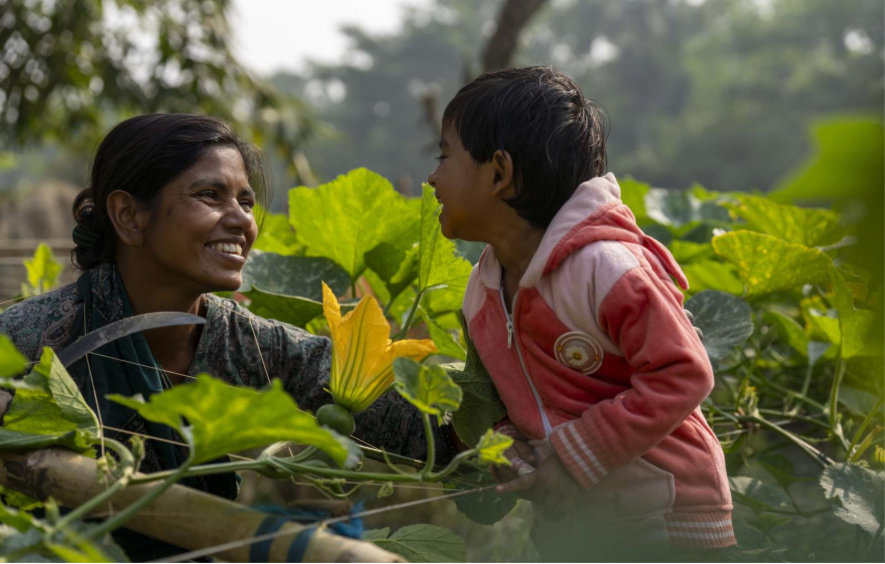
A Generation Rising
From apprentices mastering non-traditional trades to entrepreneurs using e-commerce to grow their businesses, SWAPNO youth are redefining what is possible. Their stories highlight UNDP Bangladesh’s commitment to placing youth at the centre of development — as leaders, innovators, and essential contributors to a more inclusive society.
As Bangladesh prepares for LDC graduation and deepens its SDG efforts, investments in youth — especially rural young women — are not just timely; they are transformational. SWAPNO demonstrates that when youth are empowered, communities thrive, and the nation moves forward.
How about you? How can we ensure that young women everywhere have the tools, digital skills, and opportunities to shape their futures?


